
Natural Flea & Tick Support Plan for Dogs
Spending time outdoors should be enjoyable-not stressful. While no natural spray can completely prevent fleas and ticks, this gentle spray can be one layer of protection when combined with daily tick checks, prompt removal, and good yard management.
🐾 On This Page
You'll learn how to:
✔ Make a natural flea & tick spray
✔ Use the spray safely
✔ Understand why each ingredient was chosen
✔ Perform daily tick checks
✔ Use Melissa's iPhone tick-finding trick (plus Android options)
✔ Remove an attached tick safely
✔ Avoid common tick removal myths
✔ Find trusted veterinary resources for further learning
🧴Natural Flea & Tick Spray for Dogs
Ingredients
1 cup distilled water
2 TBSP alcohol-free witch hazel
1 tsp cold-pressed Neem Oil
5-8 drops Atlas Cedarwood (Cedrus atlantica) essential oil
Optional: 1 tsp vegetable glycerin to help the oils disperse a bit better
Directions
Place in a glass spray bottle.
Shake well before each use.
Lightly mist the coat (avoid the face), then wipe it through the fur with your hands or a micorfiber cloth.
Reapply before hikes or time in tall grass.
Important Safety Notes
Dogs only
Avoid eyes, nose, mouth and genital area.
Patch test before first use.
Discontinue use if irritation occurs.
Do not use on puppies under 12 weeks of age without guidance from your veterinarian.
Important:
Essential oils are highly concentrated. This recipe is intentionally diluted, and more is not better. Avoid applying additional undiluted essential oils to your dog's coat, bedding, or collar.
This spray is designed to help repel fleas and ticks-it is not guaranteed to prevent infestations or tick-borne diseases.
🧪Why These Ingredients?
Natural ingredients can help discourage fleas and ticks, but no homemade spray is 100% effective. Think of this spray as one layer of protection that works best alongside daily tick checks, good yard maintenance, and keeping your pet's immune system and skin healthy.
Distilled Water
Purpose: The base of the spray.
Distilled water dilutes the other ingredients so they can be applied more safely to your dog's coat. Because it is purified, it doesn't contain minerals or microorganisms that may shorten the shelf life of your spray.
Alcohol-Free Witch Hazel
Purpose: Helps the spray spread evenly across the coat.
Witch hazel is a gentle botanical extract that acts as a carrier for the other ingredients. It also has mild skin-soothing properties, making it a better choice than plain water alone. Be sure to use an alcohol-free witch hazel, as alcohol can dry and irritate your dog's skin.
Cold-Pressed Neem Oil
Purpose: The primary natural insect repellent.
Neem oil comes from the seeds of the neem tree (Azadirachta indica). It contains natural compounds that interfere with insects' feeding and reproduction and may help discourage fleas and ticks from remaining on your dog.
Although neem has been used safely for many years when properly diluted, every dog is different. Always perform a small patch test before using it over the entire body.
Atlas Cedarwood Essential Oil (Cedrus atlantica)
Purpose: Helps repel fleas and ticks while adding a pleasant woodsy scent.
Atlas cedarwood contains natural compounds such as cedrol, which have demonstrated insect-repelling properties. Unlike some other essential oils, Atlas cedarwood is generally considered one of the gentler choices for dogs when properly diluted.
Only a few drops are needed. More is not better when it comes to essential oils.
Important: Not all cedarwood oils are the same. Look for Cedrus atlantica (Atlas Cedarwood), which is preferred over products that simply say "cedarwood" without identifying the botanical species.
Vegetable Glycerin (Optional)
Purpose: Helps the ingredients stay mixed a little longer and lightly conditions the coat.
Because oil and water naturally separate, vegetable glycerin can improve the texture of the spray and help disperse the oils. It also acts as a gentle humectant, attracting moisture to the skin and coat.
You'll still want to shake the bottle before each use.
🍃My Approach to Natural Remedies
When I recommend natural remedies, I look for ingredients that balance effectiveness with safety. Every ingredient in this recipe has a purpose, and I've intentionally left out ingredients that may be more irritating or that have little evidence of helping. My goal is provide practical, gentle, evidence-informed options that balance effectiveness with safety.
🕷️ How to Check Your Pet for Ticks
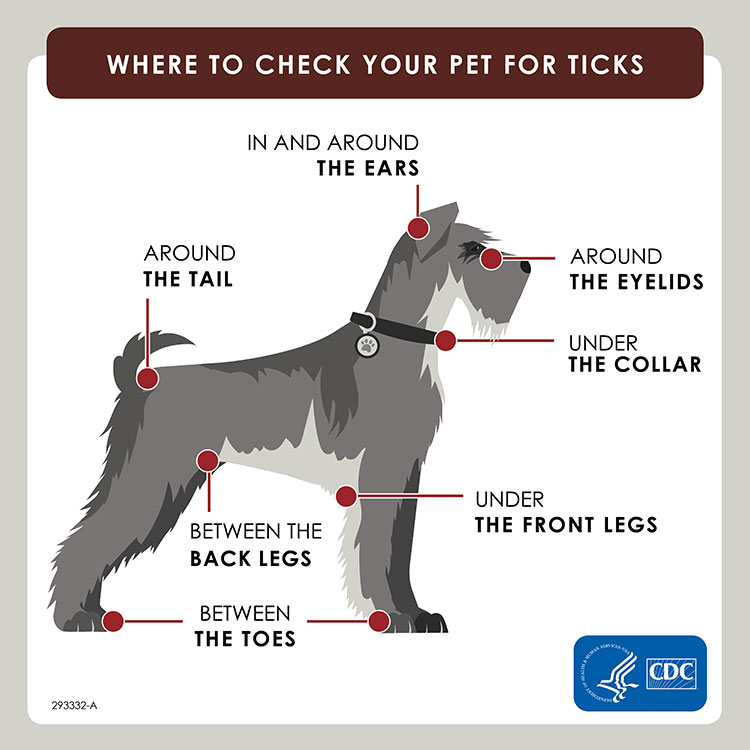
Check your dog or cat after every walk, especially around the ears, neck, armpits, groin, and between the toes.
Keep grass trimmed and remove leaf litter in the yard.
Wash pet bedding regularly
Vacuum frequently during flea season.
Support overall skin health with a fresh-food diet and adequate omega-3 fatty acids. While these won't repel fleas directly, a healthy skin barrier may help pets cope better with bites and irritation.
One of my favorite tick-checking tips comes from Melissa at Unleash the Pawsitive. In this short video, she demonstrates how to use your iPhone's Classic Invert setting to make tiny ticks much easier to spot-especially on dark-coated pets. I've also included written instructions below for iPhone, Android, and Tik Tok users so you can use whichever method works best for you.
🎥 Featured Tip: Video shared with permission from Melissa at Unleash the Pawsitive.
🎥 Three Methods From Melissa's Video to Make Tiny Ticks Easier to See:
📱 iPhone
Open Settings.
Tap Accessibility.
Tap Display & Text Size.
Turn on Classic Invert.
Open your Camera and use it while checking your pet for ticks.
Note: you can also use the iphone magnifier app with inverted filter OR click the right button on you iphone three times and it will automatically change to the inverted screen.
🤖 Android
Open Settings.
Go to Accessibility
Click on Vision Enhancements
Turn on Color inversion
Open your Camera and inspect your pet.
(The exact steps vary slightly by manufacturer.)
🎵 Tik Tok App
Open the TikTok app.
Click the + sign
Find the Negative Filter effect/filter (if available).
Point the camera toward your pet.
Slowly scan the coat to help tiny ticks stand out.
❌ Common Tick Myths
Many people still recommend:
❌ Petroleum Jelly
❌ Nail polish
❌ Essential oils
❌ Alcohol while the tick is attached
❌ Burning the tick with a match
❌ Twisting it
❌Squeezing the body
These methods can stress the tick and may increase the chance that it regurgitates saliva or gut contents into the bite site. Experts recommend avoiding these "tick hacks" and instead removing the tick promptly with a proper tool. (Source: New York Post, TikTok's tick-removal tricks to skip-and how to avoid 'mouthparts left behind in the skin', July 1, 2026)
🕷️ How to Safely Remove a Tick when it has imbedded
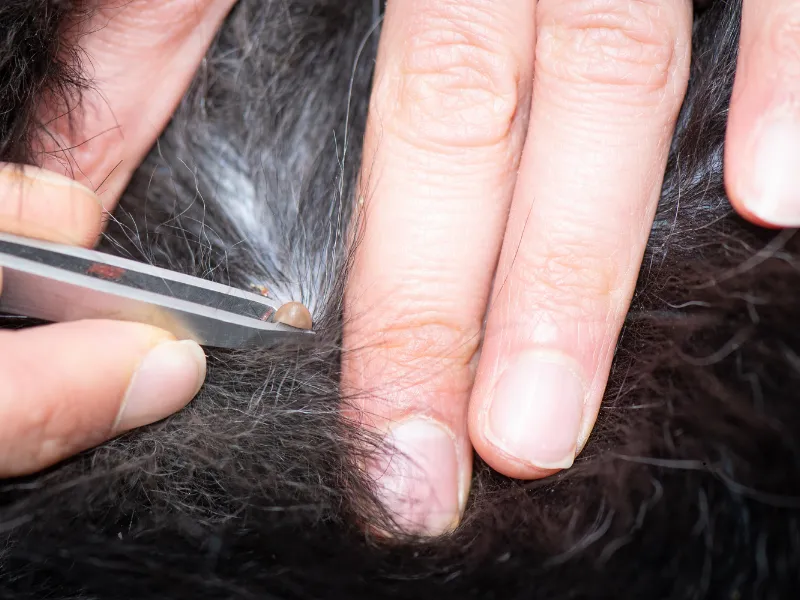
Use fine-point tweezers or a quality tick-removal tool.
Grasp the tick as close to the skin as possible, at the mouthparts—not the swollen body.
Pull straight out with slow, steady pressure.
Do not twist, jerk, or squeeze the tick.
Clean the bite site.
Wash your hands.
Monitor your dog for signs of illness over the following days to weeks, and contact your veterinarian if concerning symptoms develop.
🎓 For Further Study:
1. CDC Preventing Ticks on Pets, May 15, 2024 (CDC.GOV)
2.Ticks of Dogs, pet owner version (merckvetmanual.com)
3. External Parasites (AVMA.org)
🐾 Final Thoughts
Natural sprays can be a helpful part of your dog's flea and tick prevention plan, but they work best alongside daily tick checks, prompt removal of attached ticks, and regular veterinary care. Every dog is different, so always monitor for skin sensitivity and talk with your veterinarian if you have concerns.
Have questions about your own dog?
Every dog has different health needs, sensitivities, and risk factors. If you'd like personalized guidance, I'd love to help you build a prevention plan tailored specifically to your dog's health, lifestyle, and individual needs.
Educational Information: This page is intended for educational purposes and is not a substitute for veterinary diagnosis or treatment. If your dog develops fever, lethargy, lameness, loss of appetite, or other signs of illness after a tick bite, contact your veterinarian promptly.


⚠️ This coaching service is for educational and lifestyle support. It does not replace licensed veterinary care.
© Copyright 2026. Wagging Tails Boundless Energy. All rights reserved.