
Small Changes Big Impact: Creating a Healthier Home for Your Pets
Simple ways to reduce everyday environmental exposures for dogs and cats.
Introduction: Is Your Home as Pet-Friendly as You Think?
We do so much to keep our pets healthy. We carefully choose their food, make sure they get exercise, and provide plenty of love and attention. But have you ever considered how the air inside your home might affect their well-being?
From scented candles and plug-in air fresheners to essential oil diffusers, many everyday household products release chemicals into the air.
Our pets share these indoor environments with us, often spending much more time at home than we do. They also have sensitive respiratory systems and may encounter household substances through inhalation, contact with their fur and paws, or grooming.
The good news? Creating a healthier home doesn't require replacing everything you own or spending a fortune.
Small, thoughtful changes can help reduce unnecessary chemical exposures and create a more comfortable environment for your pets.
Let's explore three common household products worth taking a closer look at.
🌿
Air Freshenrs: What's Really in the Air?
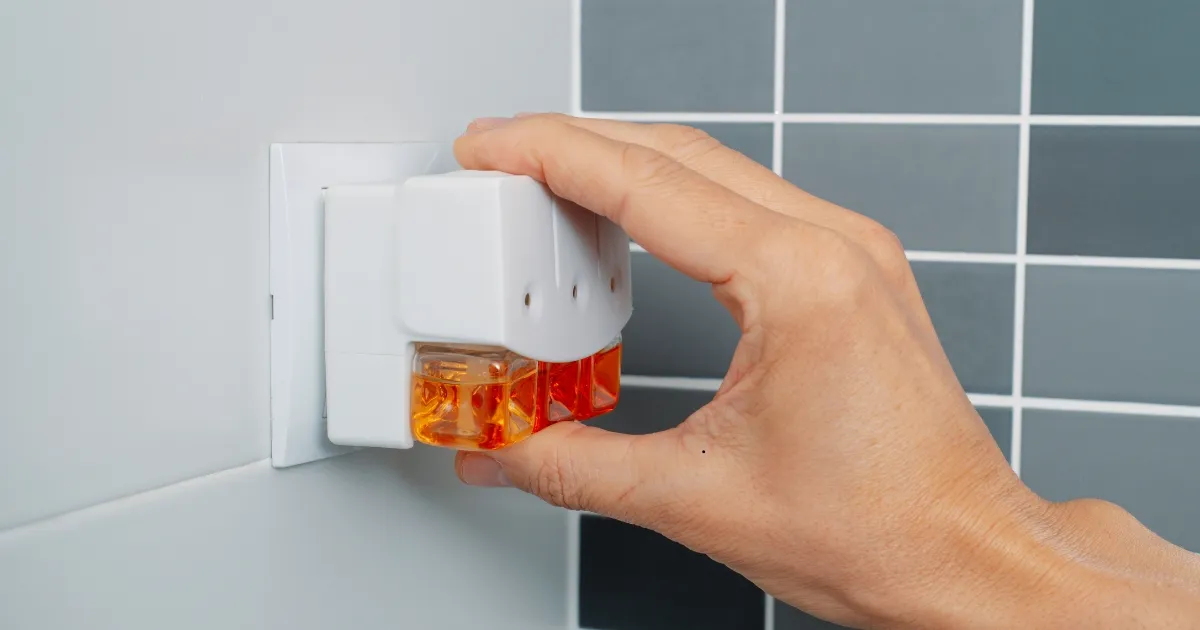
We all love a home that smells fresh and clean. But those convenient plug-in air fresheners, scented sprays, and hanging fragrance products may be introducing more than pleasant aromas into our living spaces.
Many fragranced products release substances known as volatile organic compounds (VOCs).
VOCs are chemicals that can evaporate into the air at room temperature. They're found in numerous household products, including paints, cleaning supplies, adhesives, air fresheners, and certain building materials.
Not all VOCs are equally harmful. Their effects depend on the specific chemicals, concentrations, and duration of exposure.
However, some VOCs can irritate the eyes, nose, and respiratory tract. Certain fragrance compounds can also react with other substances in indoor air, producing additional pollutants such as formaldehyde.
For pets with respiratory sensitivities, reducing unnecessary fragrance exposure may be especially worthwhile.
What Can You Do Instead?
Rather than masking household odors with fragrances, try addressing their source.
•Wash pet bedding regularly using fragrance-free laundry products.
•Keep litter boxes clean and remove waste promptly.
•Open windows when outdoor air quality and weather permit.
•Use ventilation fans to help remove indoor odors.
•Consider an appropriately sized air purifier with a HEPA filter for airborne particles.
•For small, enclosed areas, baking soda or activated charcoal odor absorbers may be useful when placed securely out of pets' reach.
Remember: A clean home doesn't need to smell like perfume to be healthy.
🌿
Candles: Creating Ambiance Without Unnecessary Exposure
What burning candles can introducte into indoor air and how to reduce exposure.
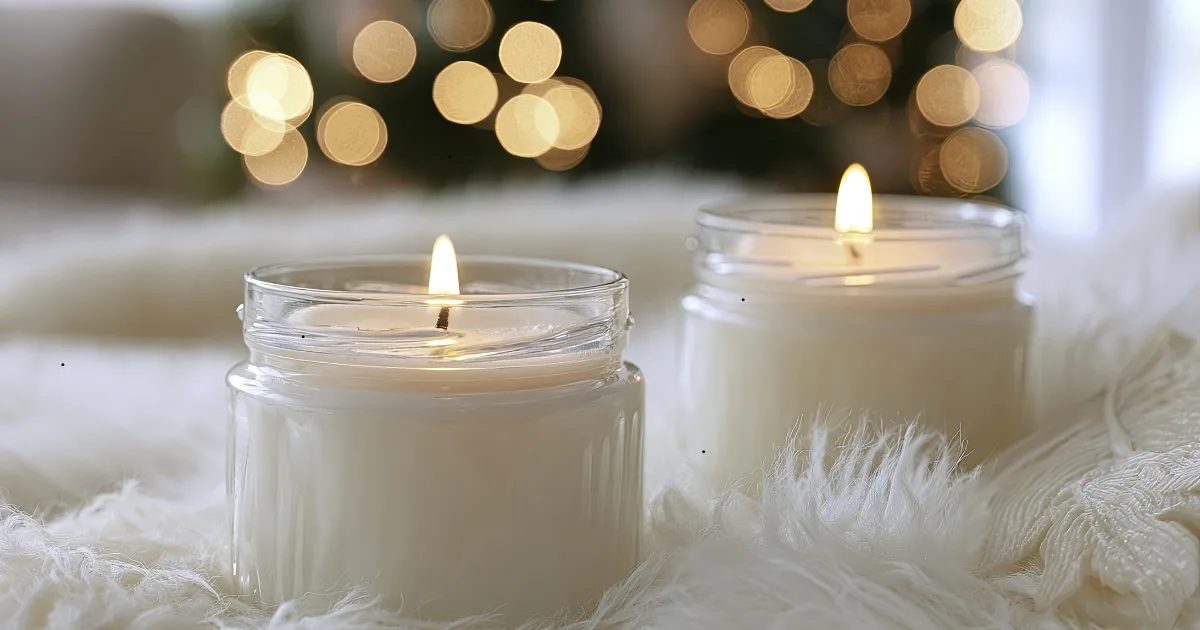
Natural wax candles may be appealing, but the type of wax alone doesn't guarantee cleaner indoor air.
One alternative? Flameless candles. You can still enjoy a warm, cozy atmosphere without an open flame or smoke.
There's something comforting about lighting a candle at the end of a long day.
But have you ever thought about what happens when a candle burns?
Burning candles can release fine particulate matter and other combustion byproducts into indoor air. Scented candles may also contribute additional fragrance-related emissions.
Candles made from paraffin, soy, beeswax, or coconut wax differ in composition, but no burning candle is completely emission-free.
How Can You Make Better Choices?
If you enjoy candles, consider these precautions:
Choose unscented candles to reduce unnecessary fragrance exposure.
Keep burning candles away from pets and anything they could knock over.
Ensure adequate ventilation.
Avoid candles that produce noticeable smoke or soot.
Consider flameless LED candles for ambiance without combustion emissions.
🌿
Essential Oils:
Natural doesn't automatically mean safe.
Essential oils have become increasingly popular for creating pleasant aromas and supporting personal wellness.
But there's an important distinction every pet parent should understand:
Just because something is natural doesn't automatically mean it's safe for dogs and cats.
Essential oils are highly concentrated plant extracts. Depending on the oil, its concentration, and how an animal is exposed, certain oils can cause irritation or toxicity.
Cats deserve particular consideration because their bodies process some chemical compounds differently from dogs and humans. They also groom themselves frequently, creating opportunities to ingest substances deposited on their fur.
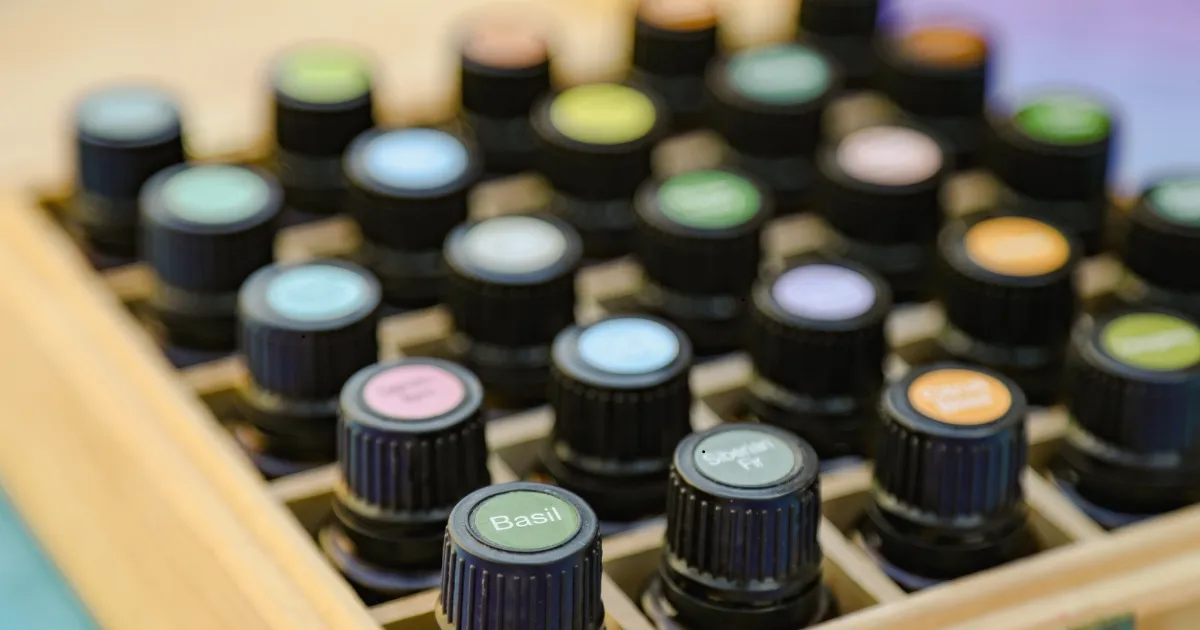
Some essential oils that warrant particular caution around pets include:
Tea tree (melaleuca)
Wintergreen
Pennyroyal
Pine
Peppermint
Cinnamon and clove
Certain citrus oils
Ylang-ylang
What About Essential Oil Diffusers?
Diffusers can disperse fragrance compounds and, depending on the device, tiny oil droplets into the air.
For pets with respiratory conditions, diffusers may be particularly problematic.
If you use essential oils in your home, avoid exposing pets directly, keep bottles securely stored, and never apply concentrated oils to your pet without veterinary guidance.
If a pet develops drooling, vomiting, weakness, difficulty breathing, or unusual behavior after exposure, contact your veterinarian promptly.
A fragrance-free environment is often the simplest option for reducing unnecessary exposure.
🌿
Five Simple Changes You can Make Today
You don't have to completely overhaul your home to make it more pet-friendly.

1. Unplug one air freshener.
Choose a room where your pet spends a lot of time and eliminate the continuous fragrance source.
2. Switch to fragrance-free laundry products.
Your pet spends hours resting on blankets and bedding. Consider using fragrance-free detergent and skipping scented dryer sheets.
3. Let fresh air in when conditions allow.
Ventilation can help reduce certain indoor pollutants. Check outdoor air quality first, particularly during wildfire smoke events.
4. Replace your scented candle with an LED candle.
Enjoy the same cozy atmosphere without smoke, soot, or an open flame.
5. Reconsider essential oil diffusers.
Especially if you share your home with cats, birds, or pets with respiratory sensitivities, consider eliminating diffused fragrances.
You don't have to tackle all five today.
Choose one change this week and build from there.
🌿
Shelly's Take:
When we think about supporting our pets' health, nutrition is often the first thing that comes to mind. And while nutrition is incredibly important, I believe we also need to consider the environment our pets live in every day.
Our dogs and cats depend on us to make decisions about their surroundings. They don't get to choose the cleaning products we use, the candles we burn, or the fragrances we introduce into our homes.
As a holistic pet health professional, I encourage pet parents to look at the bigger picture. Nutrition, lifestyle, stress, and environmental exposures are all worth considering when building a foundation for lifelong wellness.
I also believe that improving our pets' environment should feel achievable—not overwhelming.
You don't need a perfectly chemical-free home. That's neither realistic nor necessary.
What you can do is become more aware of the products you're using and make thoughtful changes where they make sense.
Sometimes the most meaningful steps toward better wellness begin with the things we choose to remove, rather than the things we add.
Here's to creating healthier, happier homes for the pets we love!
Shelly Jenkins
Wagging Tails Boundless Energy
Sources and Further Reading
Sources from the original presentation:
Haskell, Alexander, ND. Heal Thyself (2020), page 104, “Air Fresheners.”
Rogers, Sherry A., MD. Detoxify or Die (2002).
The Vets — Pet Poison Guide.
Found Animals — Essential Oils Toxic to Pets.
PetMD — How Air Fresheners Can Affect Your Pet's Health (May 17, 2020).
Additional environmental and veterinary resources:
U.S. Environmental Protection Agency — Volatile Organic Compounds' Impact on Indoor Air Quality
U.S. Environmental Protection Agency — Sources of Indoor Particulate Matter
American Lung Association — Fragrances
ASPCA Animal Poison Control Center — The Essentials of Essential Oils Around Pets
Educational disclaimer: This article provides general information about household environmental exposures and pet wellness. It is not intended to diagnose, treat, or prevent disease. If you suspect your pet has been exposed to a toxic substance or is experiencing symptoms, contact your veterinarian or an animal poison control service promptly.
Work With Me
Not Sure Where to Start?
Every pet deserves a healthy foundation. If you're wondering how nutrition, lifestyle, and your pet's environment may be affecting their overall well-being, I'd love to help you take a closer look and develop practical next steps tailored to your pet's individual needs.


⚠️ This coaching service is for educational and lifestyle support. It does not replace licensed veterinary care.
© Copyright 2026. Wagging Tails Boundless Energy. All rights reserved.